
How Child Development and Learning Happens
We’ll start by talking about the five developmental domains and what each entails.
The first one is cognitive development. Cognitive development is all about your ability to process information in your mind. It’s about thinking, reasoning, and understanding what’s going on in the world around you.
Cognitive Development
Developmental psychologist Jean Piaget divided cognitive development into four distinct stages.
This stage involves learning about the environment through movements and sensations. Infants and toddlers use basic actions like sucking, grasping, looking, and listening to learn about the world around them.
During this stage, children learn to think symbolically and use words or pictures to represent things. Kids in this stage enjoy pretend play but still struggle with logic and understanding another person’s perspective. However, in most cases, logical functioning isn’t quite there yet — the child may yet have trouble “putting it all together.”
Once they enter this stage, children begin to think more logically but may still struggle with hypothetical situations and abstract thinking. They are beginning to see things from another person’s perspective which makes this a good time to start teaching empathy.
During this stage of cognitive development, a child starts to think more logically. They also gain the ability to use deductive reasoning, which means they can make conclusions based on the information they have. They begin to grasp abstract ideas, which are things they can’t see or touch, but they can still understand.
As they become better at solving problems, they can start to think more like scientists, trying to figure out how things work in the world.
You can help your child boost their cognitive skills by letting them play with things like building blocks, puzzles, and board games. It’s also important to create an environment where your child feels comfortable asking questions about things they’re curious about and where they have plenty of time for free play.
Encourage your child’s love for learning by helping them explore topics they’re really interested in. Encourage them to think and reason by asking open-ended questions and teaching them to expand on their thoughts. As they grow, teach them how to be critical thinkers when it comes to media and where to find information when they have questions. This way, they’ll get better at thinking abstractly and being creative in their thoughts.
Secondly, let’s look at Social-Emotional development. This domain includes a child’s growing understanding and control of their emotions. This domain includes a child’s growing understanding and control of their emotions.
Social-Emotional Development
To truly thrive, we must learn to exist peacefully within ourselves and coexist with others. As a child develops within the socioemotional dimension, they learn how to successfully regulate their own internal emotional state and read the social cues of others.
They also begin to identify what others are feeling, develop the ability to cooperate, show empathy, and use moral reasoning. This domain includes developing attachments to others and learning how to interact with them. For instance, children learn how to share, take turns, and accept differences in others.
Strong emotions can be controlled or expressed properly; confrontation can be managed without violence; and we can evolve empathy toward others.
•By 6 months, a baby should be reacting to facial expressions and reciprocating.
•By a year, clear preferences in terms of likes and dislikes should begin to surface — as well as recognition of the familiar versus the unfamiliar.
•By two years, a child should be engaged in parallel play with their peers. Each child may be involved in a separate activity, but they are interested in each other’s activities and comfortable in each other’s company.
•By three years, the awareness of self should have begun to form, and an ability to express feelings.
•By four years, the child should be able to cooperate with others, abide by simple rules, and manage emotions without tantrums or aggression.
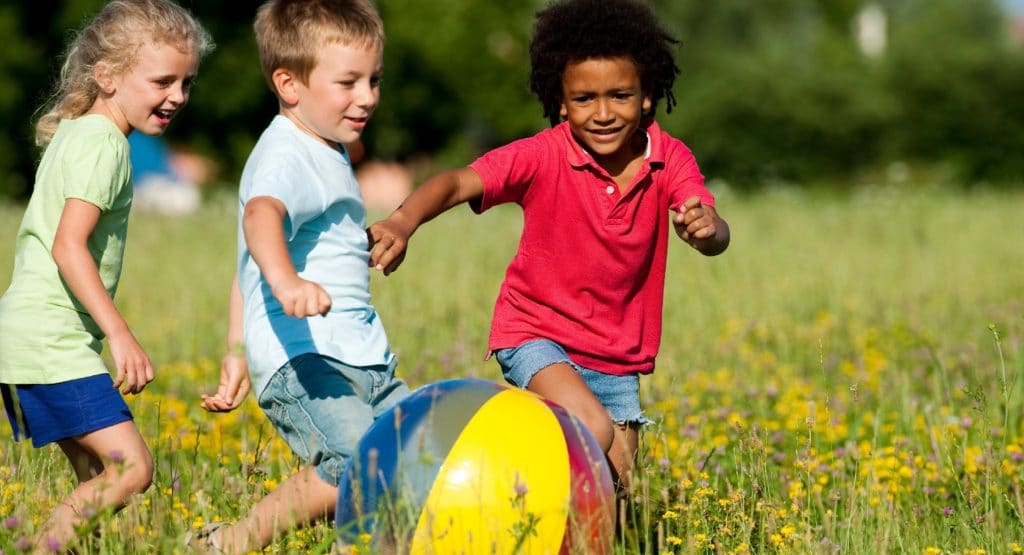
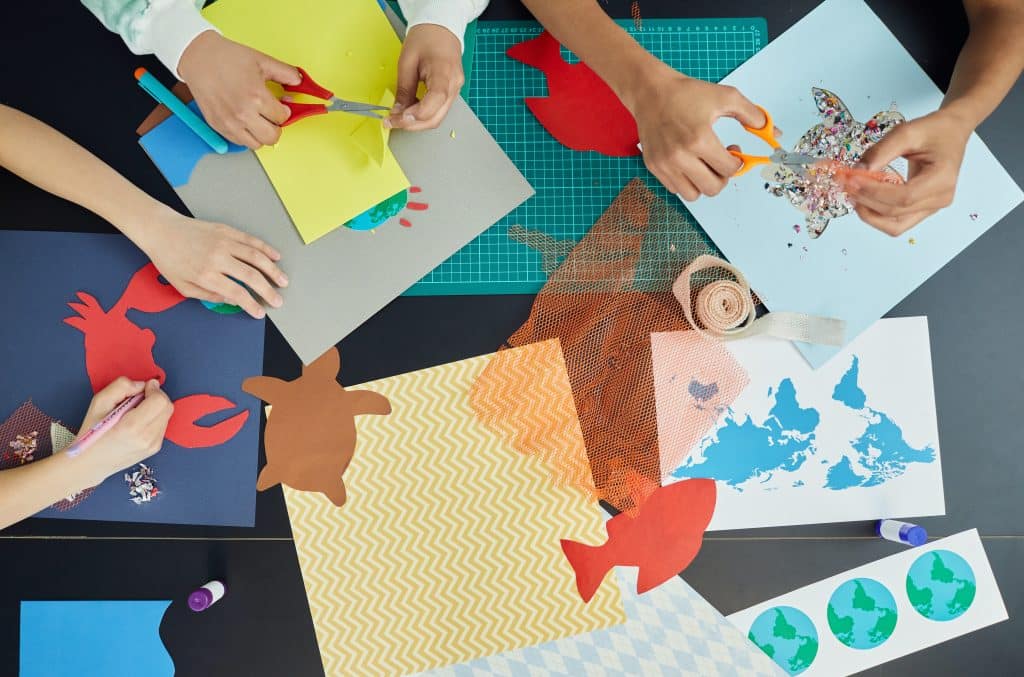
Third, the physical domain covers the development of physical changes, which includes growth in size and strength, as well as the development of both gross motor skills and fine motor skills.
Physical Development
This domain involves the senses (taste, touch, sight, smell, hearing, and proprioception — or bodily awareness of one’s orientation in space), gross motor skills (major movements involving large muscles), and fine motor skills (involving small muscles, particularly of the fingers and hands).
Gross Motor Development
Fine Motor Development
Did you know?
Humans develop physical ability directionally, from top to bottom and the center outward. A baby will at first have the ability to turn the head and sit upright before being able to reach, grab, and eventually walk and run as they progress into toddlerhood (2-3 years). All the while, children should be able to instinctively respond and react to stimuli in their physical environment.
.
Fourth, language development is intertwined with all of the other developmental domains. This domain includes children’s ability to use both verbal and nonveral means of communication, to listen and comprehend the spoken word, to read and to write.
Language Development
The ability to comprehend, utilize, and manipulate language may be the single most powerful skill a person can develop.
The four domains of language development are:
- speaking
- listening
- writing
- reading

The development of verbal communication skills can be different for each person. However, by the time they reach two years old, many toddlers can communicate using what we call “telegraphic speech.” This means they can put together simple sentences that convey the main idea of what they want or need.
Lastly, let’s discuss the fifth domain, adaptive development. Adaptive development or Self-Help development refers to how a child adapts to the environment and the ability to do things independently.
Adaptive Development
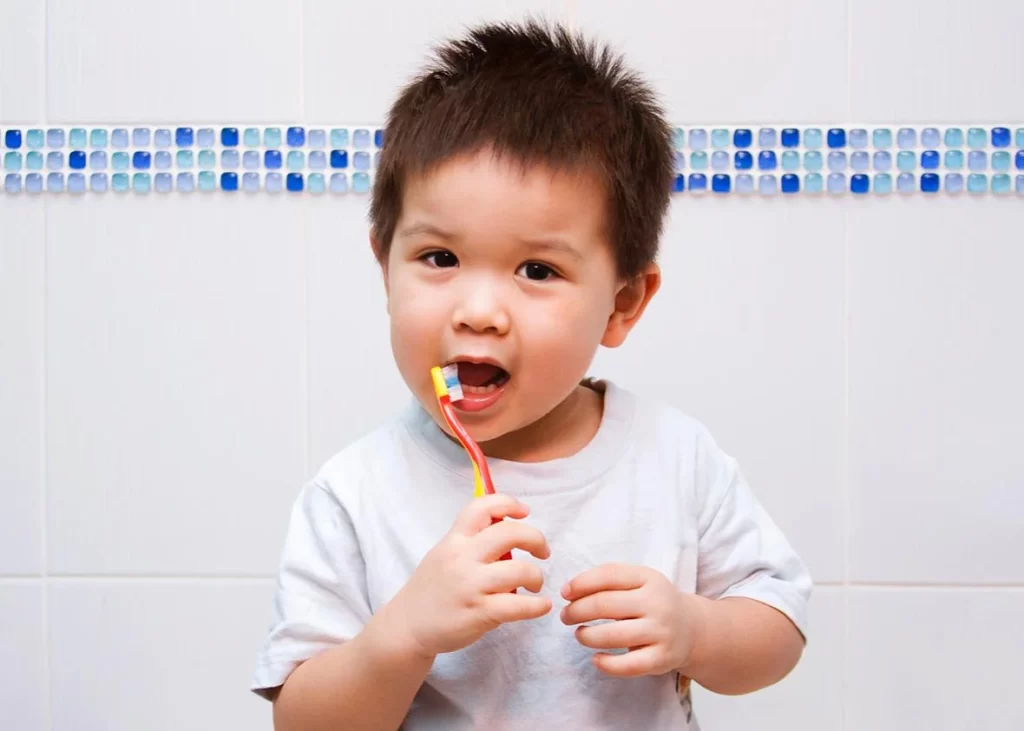
Adaptive development refers to the self-care component of growing up, taking care of things like eating, drinking, toileting, bathing, and getting dressed independently. It also entails being aware of one’s environment and any hazards it may pose, keeping oneself safe and protected. A child should have made significant progress in these areas before their fourth birthday.
Below is an excellent resource to share with your families and other caregivers to assist them in knowing what is appropriate for self-help skills at each age.