
How Schedules and Routines Support Social-Emotional Development
Think about some of the routines that are important in your life. For example, I like having my one cup of coffee while sitting on my couch watching the morning news.
Can you think of some examples of routines in your day?
As you think about these important routines, are there some routines that you are more flexible with and some you just cannot live without?
- How does it feel to you when your routine changes or looks different?
- How does a consistent routine help you throughout your daily interactions with others, accomplishment of tasks, etc.?
Schedules and routines give infants and toddlers a sense of security through predictability and help them learn about the world.
- Schedules and routines…
- Play an important part of each day
- Meet children’s basic needs
- Provide opportunities for development
- Develop a sense of security and control
- Provide predictability
- Support competence and confidence
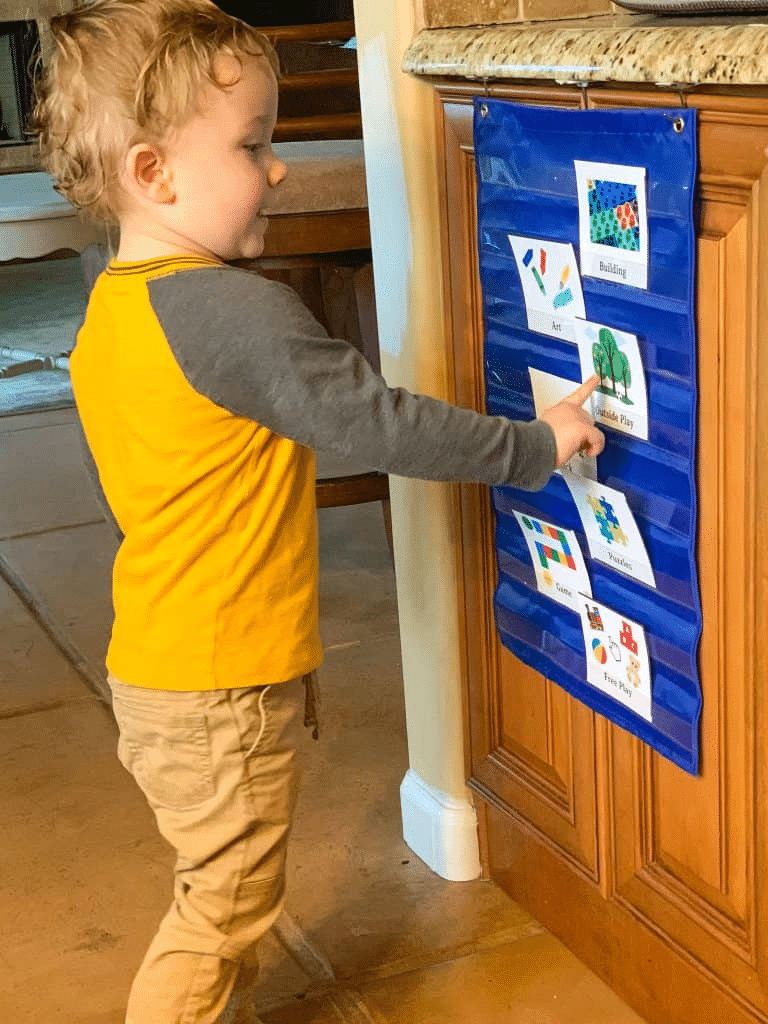
Very quickly, babies discover and embrace their first routines.
For example, when an infant cries persistently, her caregiver gently picks her up, saying, “Oh, you’re so hungry!” The infant quiets as she latches onto the bottle’s nipple. In just a few weeks, she’s learned a routine—she feels hungry, she cries, and food is offered while she’s cradled in gentle arms.
Infants feel secure and confident within the framework of nurturing and predictable caregiving routines. Routines can help toddlers adjust to new situations.
- Daily routines also help toddlers say goodbye to their parents and feel safe and secure within a nurturing network of family members and caregivers.
- For example, always reading the same book together in the same cozy corner of the toddler room helps a child prepare for the difficult separation from her parent. This predictable, intimate time can help give a child the courage to say goodbye.