
Post-Exposure Follow-up
If an occupational exposure does occur, it is important for you to follow the employer’s written procedures for handling medical self-care and evaluation and document the circumstances of the exposure.
After any immediate care, report an exposure incident without delay. This allows for timely testing of the source individual and, if necessary, the exposed person.
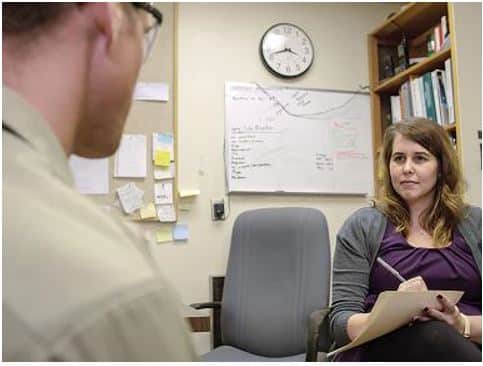
Anyone affected by exposure will be directed to a healthcare professional for medical evaluation and testing as soon as possible after receiving the source individual’s test results. The evaluation will document the route of exposure and how the exposure occurred. There is no cost to an employee for this evaluation.
Your testing results are confidential and reported only to you and your healthcare provider. No one else is notified of the test results, not your supervisor or anyone from the company. The evaluation will also include counseling and education regarding the testing process and the ramifications of exposure. This includes safe sexual practices information for the 3-month post-exposure evaluation period. Healthcare professionals evaluate according to the Centers for Disease Control and Prevention guidelines for HIV, HBV, and HCV testing.
Post-Exposure Prophylaxis (PEP)

Most medical facilities offer short-term therapy called post-exposure prophylaxis (PEP) if an employee has been exposed to HIV-infected blood. This therapy must begin as soon as possible after the exposure. PEP can reduce the risk of getting HIV by as much as 80%.
Knowledge Check
The first thing to do if exposure to blood or other potentially infectious materials occurs is to immediately care for it. When there is non-intact skin or a potentially contaminated sharp object creates an open wound, wash and irrigate the wound with soap and large amounts of running water. For exposure to the eyes, nose, or mouth, flush the affected areas with large amounts of running water.