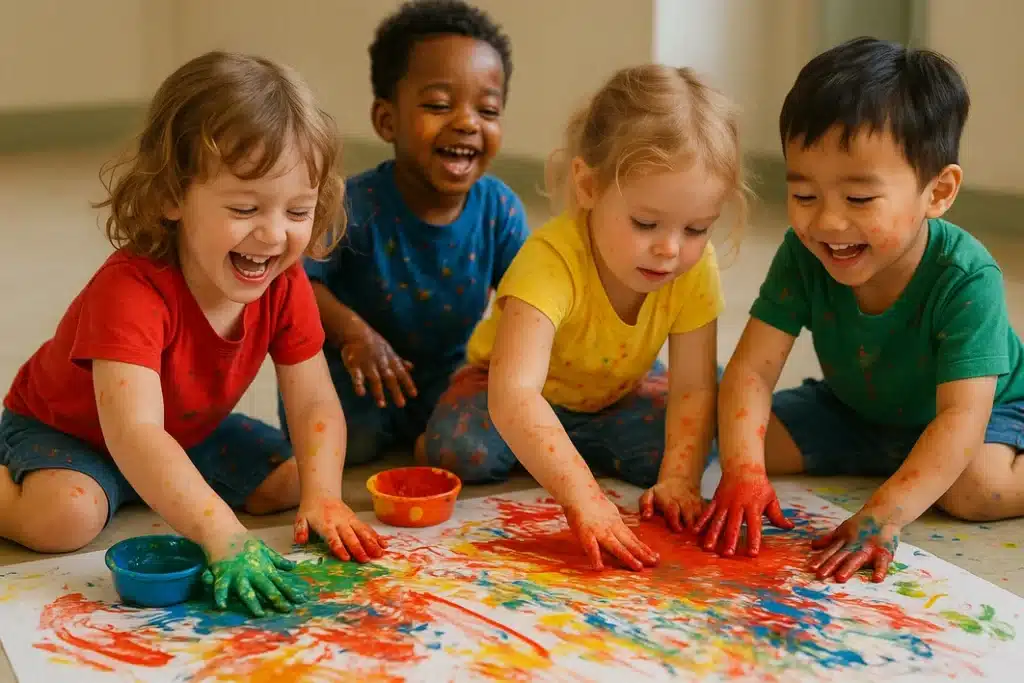
Creating a multicultural environment in early childhood goes beyond adding diverse materials or celebrating different holidays; It requires intentionally shaping a space where every child and family feels seen, valued, and respected. Young children feel naturally curious about the world around them, and they begin forming ideas about identity, fairness, and belonging from a very early age. As educators, our responses to these moments directly shape children’s understanding of themselves and others. This course will guide you as you reflect on your own perspectives while building practical strategies to create a classroom that truly reflects and honors diversity.
Throughout this one-hour course, you will explore how culture and identity influence children’s development, learn how to create a more inclusive and representative learning environment, and strengthen your ability to build meaningful partnerships with families. Each module includes opportunities to pause and reflect on the content and connect new learning directly to your daily practice. By the end of this training, you will gain more than just a deeper understanding of multicultural education; you will also learn clear, actionable steps for fostering a classroom community where every child feels a strong sense of belonging.
By the end of this course, participants will be able to: